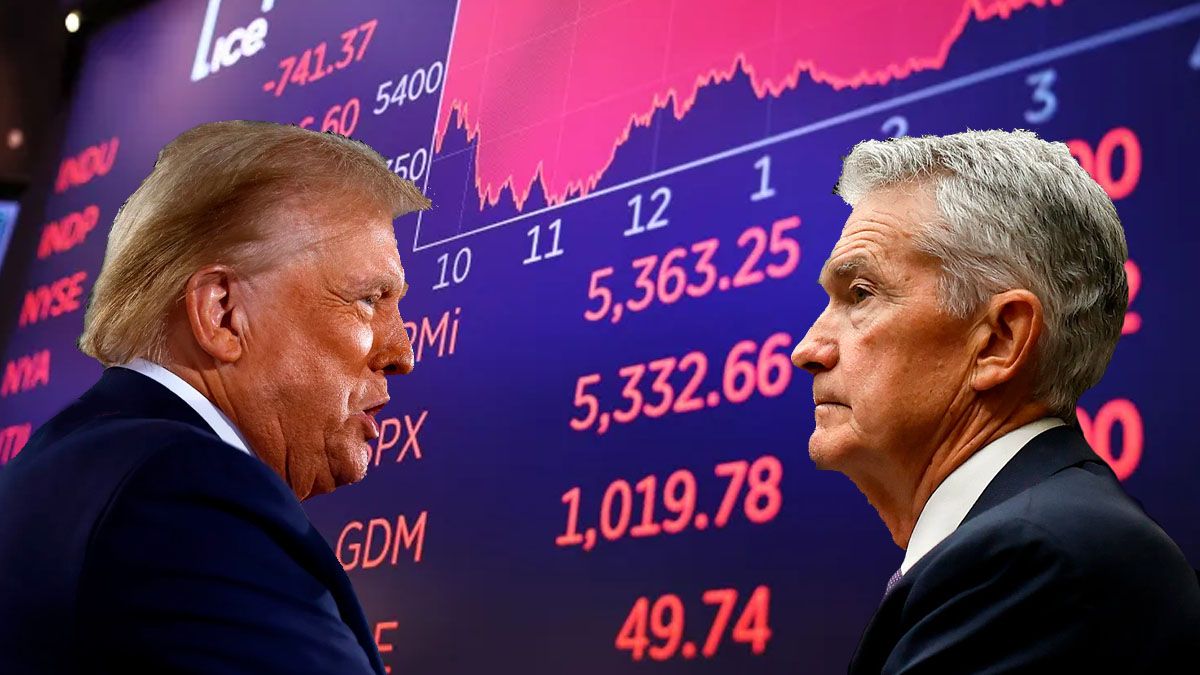

Former President Donald Trump has called for the immediate resignation of a current member of the Federal Reserve’s Board of Governors, intensifying his longstanding criticism of the central bank’s leadership and its policies. This latest demand reflects Trump’s ongoing efforts to influence monetary policy discussions and underscores the political tension surrounding the Federal Reserve’s role in managing the U.S. economy.
Trump’s declaration, expressed assertively, emerges during a period where discussions on interest rates, managing inflation, and economic stability are taking center stage in national discourse. Although he did not delve into details in his comments, the demand for resignation seems connected to his overarching discontent with the Federal Reserve’s management of crucial financial matters in recent years, especially those he asserts impact employment growth and economic advancement.
The former president has often criticized the central bank for decisions he believes have slowed economic progress or placed unnecessary burdens on businesses and consumers. In previous statements, he argued that the Federal Reserve acted too slowly during critical economic periods, suggesting that more aggressive monetary policy changes could have strengthened growth and protected jobs.
Esta renovada demanda no es la primera vez que Trump ha tenido desacuerdos con los funcionarios de la Reserva Federal. Durante su presidencia, a menudo manifestó su descontento por los aumentos de las tasas de interés, argumentando que frenaban una economía que, de otro modo, estaría en auge. Sus comentarios actuales reflejan ese sentimiento, sugiriendo que el individuo en cuestión no ha actuado de manera que concuerde con lo que Trump considera estrategias de crecimiento.
Critics of Trump’s remarks suggest that such requests could threaten the traditionally independent and nonpartisan nature of the institution. The Federal Reserve is structured to base its decisions on economic data and long-term stability, not political influence. Experts warn that compromising this independence might result in instability within financial markets and diminish international trust in the United States’ economic leadership.
Supporters of Trump’s position, however, maintain that accountability is essential, particularly when policies impact inflation, borrowing costs, and the overall health of the economy. They argue that calling for resignations when performance falls short should not be considered political interference but rather a measure of responsibility in leadership.
The Federal Reserve itself has not provided an immediate comment on Trump’s statements, and the governor mentioned in his remarks continues to hold their role currently. Financial experts are attentively observing the developments, as any possible changes at the central bank might affect local markets as well as global investor confidence.
This development adds another layer of complexity to the already heated discourse over economic policy in the United States. With inflation concerns, interest rate decisions, and future growth strategies dominating headlines, Trump’s comments are likely to remain a focal point in political and financial circles.
It is uncertain if his request will bring about real adjustments at the Federal Reserve, but it is evident that discussions surrounding monetary policy—and the equilibrium between autonomy and responsibility—will persist in igniting debate in the upcoming months.