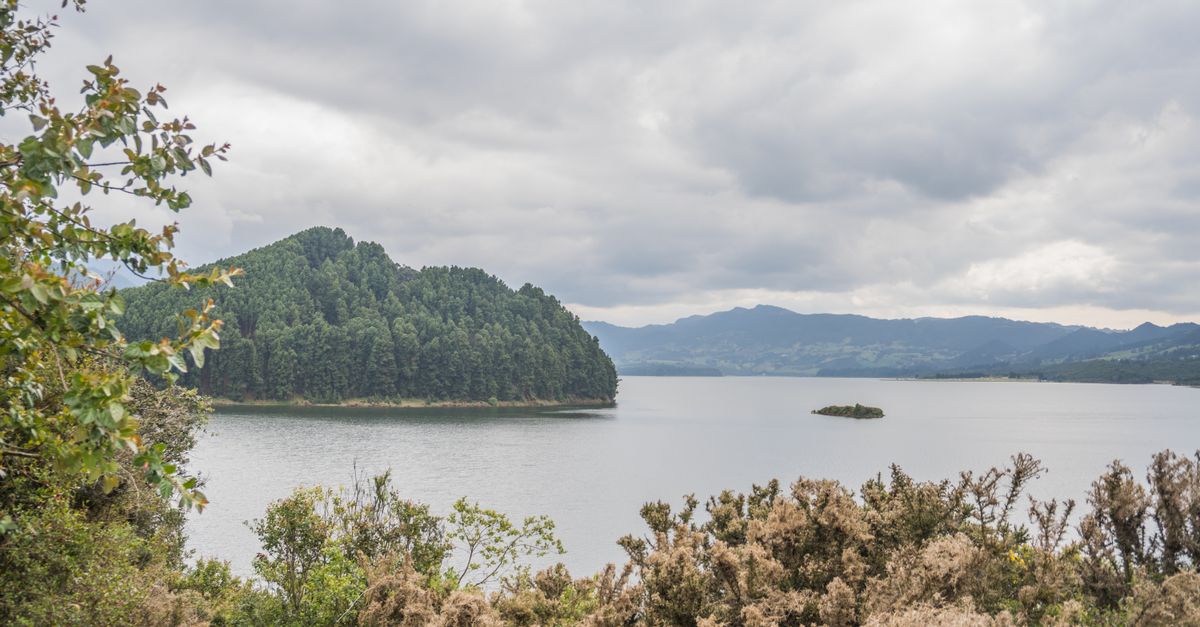
Asheville lies at the crossroads of a vibrant craft tradition and the rhythms of Appalachian mountain living, its character molded by the land, a deep-rooted community of artisans, and a contemporary generation of makers, chefs, brewers, musicians, and outdoor innovators who draw on local assets and the regional way of life. Together, they shape a city where craftsmanship, limited-scale production, and a year-round mountain environment function not only as highlights but as an everyday experience.
The geographical setting and life in the mountains: the physical backdrop
Elevation and climate: Asheville’s elevation (approximately 2,134 feet) creates a temperate mountain climate—warm, humid summers, crisp falls with vivid foliage, and cool winters with occasional snow. That climate supports year-round outdoor recreation while also influencing local agriculture and craft materials.
Proximity to iconic landscapes: Asheville is a gateway to the Blue Ridge Parkway (469 miles total), Pisgah and Nantahala National Forests, and nearby Mount Mitchell, the highest peak east of the Mississippi. Trails, river access, and scenic roads mean mountain living is experiential: commuting often includes views, hikes, or quick access to backcountry.
Population and urban scale: The city remains fairly compact, with around 94,000 inhabitants recorded in the 2020 census, yet it sits within a broader regional economy spanning Buncombe and adjacent counties. This scale encourages tightly connected creative circles while still supporting a steady range of services and visitor activity.
Craft culture: hubs and industries
- Brewing and beverage craft: Asheville’s beer culture enjoys national recognition, shaped by early local innovators whose efforts evolved into a concentrated network of microbreweries, taprooms, barrel-aging programs, and farm-driven brewing ventures. Although specific names shift over time, the trajectory remains consistent: craft brewing expanded into regional jobs, visitor appeal, and boundary-pushing production such as sours, barrel-aged stouts, and mixed-fermentation styles.
- Distilling and cider: Boutique distilleries and cider producers broaden the area’s beverage landscape through grain-to-glass operations and orchard-focused projects that highlight regional grains, fermentation traditions, and limited-batch craftsmanship.
- Visual and material arts: The River Arts District and the Southern Highland Craft Guild anchor a dynamic community of makers. Repurposed industrial buildings now contain studios for painters, ceramicists, glass artists, woodworkers, metalsmiths, and textile creators, supporting both custom commissions and on-site retail.
- Food and culinary craft: Farm-to-table kitchens, craft bakeries, and specialty food artisans rely on regional farms, heirloom produce, and heritage breeds. Farmers markets and direct-from-farm purchasing sustain a setting where chefs and producers refine seasonal dishes and small-batch offerings.
- Music, storytelling, and folk craft: Appalachian musical and storytelling traditions remain actively practiced in Asheville. Festivals, performance spaces, and community gatherings preserve fiddle, banjo, ballad, and dance traditions while promoting fresh interpretations.
Place-based examples and cases
- River Arts District (RAD): A transformed industrial corridor near downtown that now houses dozens of studios and galleries. RAD exemplifies adaptive reuse—warehouses converted into artist workspaces and storefronts that attract visitors and support sales directly from makers.
- Southern Highland Craft Guild and Folk Art Center: The Guild brings together Appalachian craft traditions and modern makers, with a sales center that links regional craft to national visitors of the Blue Ridge Parkway. It demonstrates institutional support for craft economies.
- Brewing as economic anchor: Longstanding local breweries and newer investment-scale operations show craft’s economic diversity: small taproom revenue, regional distribution, and destination production sites that host tours and tasting rooms.
- Mountain Dance and Folk Festival: Established as a forum for Appalachian culture, this festival illustrates how music, dance, and oral traditions are curated and celebrated as living craft rather than preserved relics.
- Biltmore Estate influence: The estate’s presence anchors a luxury tourism segment that creates market demand for high-end local crafts—furniture, textiles, and culinary experiences—while also providing employment and collaboration opportunities for local artisans.
Economic and social shifts
Small business density: Asheville displays a high share of independent businesses—studios, microbreweries, boutique hotels, and food startups—that rely on both locals and tourists. This diversity spreads risk but can lead to competition for limited commercial space.
Tourism and seasonality: Tourism fuels demand for craft products and experiences, yet it introduces seasonality. Peak months around leaf peaking, summer, and festival dates see surges in visitors and sales, while off-seasons test cash flow for small makers.
Gentrification and affordability challenges: The very success of craft culture can drive rising rents and cost pressures on artists and longtime residents. Cases in Asheville show that creative districts can become targets for development, shifting the balance between production spaces and retail/short-term rental conversions.
Material practices and sustainability
Local sourcing and material identity: Many makers highlight the use of reclaimed timber, locally processed lumber, Appalachian clay, and fibers from the region, creating a material identity rooted in place while helping shorten supply-chain routes.
Environmental stewardship: Mountain living raises awareness of watershed protection and forest health. Craft businesses and events often incorporate sustainable practices—waste reduction, seasonal sourcing, and conservation partnerships—to protect the landscapes that underpin their aesthetic and livelihood.
A culture shaped by collaboration and strengthened by institutions
- Collectives and co-ops: Cooperative galleries, shared studios, and maker co-ops offer affordable production and retail options, helping emerging artisans expand their craft.
- Educational pathways: Community workshops, apprenticeships, and craft programs tied to both local groups and colleges continually supply skilled talent and preserve traditional techniques within the regional economy.
- Festivals and markets: Ongoing craft fairs, seasonal markets, and music festivals deliver recurring cultural and commercial stages where creators can strengthen their visibility and grow their customer communities.
Tangible outcomes and key metrics
- Employment mix: Creative industries, hospitality, and outdoor recreation form a sizable portion of local employment, with many micro-enterprises and freelance practitioners contributing to the labor market.
- Visitor-driven sales: Retail craft sales spike with tourism; studios that combine production and visitor experience report higher per-customer sales than wholesale-only shops.
- Business longevity: Longstanding institutions—heritage festivals, established breweries, and guilds—serve as stabilizing anchors that allow younger makers to experiment without immediate pressure for scale.
Challenges and resilience strategies
- Space and affordability: Cities that sustain craft culture often formalize affordable workspace policies, zoning protections for artist districts, and incentive programs that preserve production capacity.
- Balancing authenticity and growth: Maintaining local control, ingredient transparency, and artisanal standards helps resist homogenization as brands scale or attract outside investment.
- Climate and ecological risk: Mountain weather extremes, forest health issues, and water quality are material concerns; makers that invest in resilient supply chains and landscape stewardship reduce business risk.
How Asheville differs from other craft towns
Mountain specificity: Asheville’s crafts move far beyond standard urban artisan goods, drawing instead on Appalachian materials, musical heritage, and longstanding mountain labor practices, while the region’s terrain and climate continually influence the kinds of products made, the methods used, and the timing of each seasonal cycle.
Concentration across sectors: The city blends beer, food, visual arts, and folk performance at greater density than many comparably sized towns, creating cross-pollination: chefs collaborate with growers, potters produce serviceware for restaurants, and musicians perform in craft-focused venues.
Institutional depth: Entities such as craft guilds, long-running festivals, and well-rooted breweries help sustain an institutional backbone often absent in newer creative towns, granting Asheville both durability and flexibility.Practical ways to embody the culture
- Visiting a glassblower in the River Arts District to watch a demonstration and buy a one-of-a-kind vase.
- Taking a brewery tour followed by a hike along a nearby Blue Ridge Parkway overlook—experiencing production and place in one day.
- Attending a folk festival to hear traditional ballads and then purchasing hand-turned bowls from a craft fair vendor.
- Dining at a restaurant that changes its menu weekly to reflect what local farms have harvested that morning.
Asheville’s identity arises from a dynamic exchange between its mountain setting and its longstanding maker culture, where the terrain offers resources, seasonal rhythms, and an enduring appeal for visitors, while creative communities transform these assets into livelihoods, experiences, and crafted goods. Institutional pillars such as guilds, festivals, established breweries, and adaptive‑reuse districts provide continuity and structure, even as numerous small studios, farms, and restaurants inject originality and depth. Although challenges involving affordability, growth, and ecological care accompany this prosperity, the city’s collaborative ethos, reliance on local materials, and living traditions present a durable model in which craft and mountain life function not as separate realms but as interdependent forces shaping a shared sense of place.