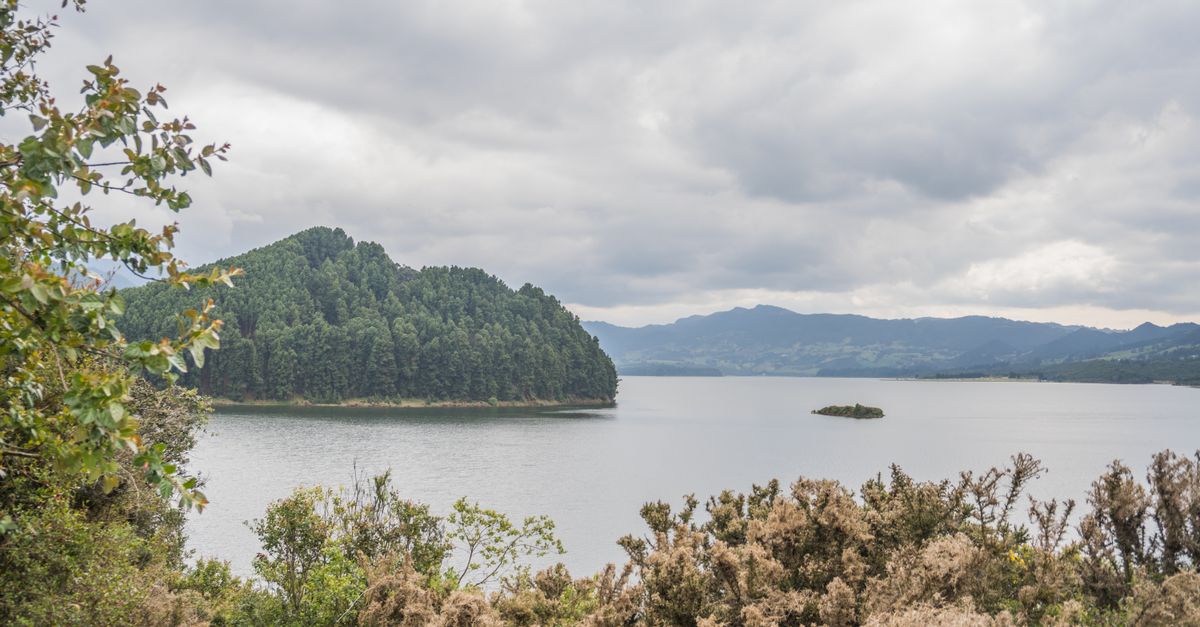
Boulder, Colorado, located at the base of the Rocky Mountains, blends the presence of a major research university with a concentrated entrepreneurial scene and instant access to exceptional outdoor activities, creating a distinctive environment where academics, startup founders, outdoor-focused innovators, and students mingle with hikers, climbers, cyclists, and conservation advocates; its defining traits include striking elevation and landscapes, a robust university and federal research footprint, vast open spaces and interconnected trails, a culture centered on wellness, and an economy fueled by mobile talent and innovation inspired by the outdoors.
The college core: University of Colorado Boulder and research institutions
- Large research university: The University of Colorado Boulder is a major campus with tens of thousands of students, a broad research portfolio in engineering, environmental science, aerospace, and computer science, and a strong arts and liberal-arts presence that fuels cultural life on and off campus.
- Federal and national labs: Nearby institutions such as the National Center for Atmospheric Research (NCAR) and federal NOAA and standards-related facilities create a concentration of scientists and research funding that feeds collaborations with campus labs and local startups.
- Academic–industry links: Programs and centers that connect law, technology, and entrepreneurship with campus research encourage commercialization of discoveries. That pipeline helps produce spinouts in areas like clean tech, atmospheric science, and software.
Outdoor infrastructure and world-class access
- Proximity to striking terrain: Iconic landmarks like the Flatirons and Chautauqua Park place hikers and climbers just steps from city streets, while broader alpine adventures sit within an hour’s drive.
- Extensive open space: The city and county oversee tens of thousands of acres of preserved land and hundreds of miles of maintained routes, ranging from paved commuting corridors to singletrack paths and challenging technical climbs.
- Variety of activities: Year-round recreation includes trail running, mountain biking, sport and traditional rock climbing in areas such as nearby Eldorado Canyon, fly fishing, road cycling on scenic byways, winter backcountry skiing, and even urban paddling along Boulder Creek.
- Outdoor services and retail: A concentrated mix of outfitters, guiding companies, gear retailers, and outdoor-oriented startups makes it simple for both newcomers and seasoned experts to get outside.
How the college environment and outdoor culture enhance one another
- Student outdoor culture: Student groups, university outdoor programs, and intramural clubs routinely arrange excursions, offer gear rentals, and host skills workshops that weave outdoor activities into everyday campus life.
- Talent attraction and retention: Students and researchers who prize easy access to nature often choose to stay in the area after finishing their studies, providing local companies and startups with seasoned, active professionals.
- Research and recreation overlap: Environmental and earth-science projects on campus take advantage of accessible field locations, while research findings simultaneously guide regional conservation efforts and trail stewardship.
- Lifestyle-driven entrepreneurship: Numerous homegrown businesses and brands have emerged from an outdoors-oriented mindset, where product concepts and testing unfold on nearby trails and cliffs, allowing rapid feedback and refinement.
Economic landscape, entrepreneurial ventures, and sector diversity
- Diverse economy with a creative spine: Sectors include tech, aerospace, environmental science, and outdoor product design. High per-capita startup activity and a dense network of accelerators and investor groups give Boulder disproportionate entrepreneurial energy for its size.
- Notable company examples: A mix of cybersecurity, telecom, and outdoor-focused firms have roots or sizable operations in the area, reflecting the region’s blend of technical talent and lifestyle branding.
- Visitor and lifestyle economy: Restaurants, craft breweries, hospitality, and outdoor-tour businesses thrive on both student demand and outdoor tourism.
Community culture, wellness, and city planning
- Health and activity norms: Boulder frequently ranks among leading cities for fitness, wellness, and overall longevity, where staying physically active is embraced as a shared community habit rather than a niche pursuit.
- Walkability and bike infrastructure: Dense neighborhoods, an extensive network of bike lanes, and dedicated commuter routes encourage widespread nonmotorized mobility, with Pearl Street Mall and the streets surrounding campus functioning as lively social hubs.
- Food, craft, and localism: A vibrant farm-to-table culture, recurring farmers markets, and numerous microbreweries reveal a strong inclination toward locally sourced products and outdoor-oriented dining and gatherings.
Infrastructure and accessibility
- Transit connectivity: Regional buses and shuttle services connect Boulder with Denver and nearby mountain corridors, while highways provide straightforward access to national parks and ski areas.
- Altitude and climate: Sitting at roughly 5,400 feet elevation, Boulder’s sunny, semi-arid climate supports long outdoor seasons—with winter conditions that still enable snow sports within close range.
- Preservation and planning: Long-term open-space planning and active conservation policies maintain trail networks and viewsheds that keep the outdoors integrated with urban life.
Obstacles and key considerations
- Cost of living and housing pressure: Its strong appeal drives housing prices well above the norm, leaving affordability as a recurring policy concern for students, service employees, and emerging professionals.
- Trail crowding and environmental stress: Intense recreational activity leads to ongoing management issues, as erosion, wildlife disruption, and parking overflow demand consistent stewardship and public guidance.
- Balancing growth and character: The city’s rising popularity challenges planners to preserve its small-town identity even as they accommodate broader economic and population expansion.
Specific scenarios and common illustrations
- Student weekday: A typical student might attend morning classes at the university, meet faculty for a research project, then join a late-afternoon trail run up Mount Sanitas, finishing with a study session at a café on Pearl Street.
- Startup founder: An entrepreneur with a background in atmospheric science leverages campus collaborations and federal lab contacts to spin out a weather-data analytics firm; product testing and prototypes are refined on local field sites and through partnerships with outdoor retailers.
- Local policy response: To manage trail congestion, the city expands shuttle services to popular trailheads, invests in trail maintenance, and partners with land managers to create new access points that distribute use more sustainably.
Key performance indicators and markers of achievement
- Participation rates: High per-capita participation in outdoor recreation and frequent use of active transportation modes are visible in everyday commutes and weekend patterns.
- Academic and research outputs: Significant grant activity and publications in earth sciences and engineering demonstrate the research engine nearby institutions supply.
- Startups and venture activity: Elevated startup formation and a strong network of accelerators and investors per resident point to ongoing economic dynamism tied to the town’s talent pool.
Boulder’s identity unfolds through a tightly connected ecosystem where a vibrant university generates research and talent, public and private laboratories sustain scientific networks, immediate access to varied mountain activities shapes daily routines, and a civic mindset values wellness, local enterprises, and environmental stewardship. This blend fosters everyday patterns—from field studies on campus and cycling commutes to post-class ascents—that influence personal habits and the regional economy, while also introducing real challenges related to affordability and resource allocation that will guide future civic decision-making.